
When you're starting out in construction, one of the biggest early calls is whether to lease or buy the machines that will carry your name into work. The leasing option entitles you to using the equipment within a specified duration, typically between one to five years whilst you do not own it. Instead, purchase will allow you to own the machine and all the requirements of ownership. Both have their place, and the real difference isn’t just about ownership but it’s about what fits your operation today, and where you're headed tomorrow.
How Deep Are Your Pockets Right Now?
Leasing can be your savior in case your cash flow is not that potent yet. Startups cannot usually afford to commit large amounts of funds in heavy equipment machinery that may sit idle during off months. Typically, leasing implies reduced monthly payments, a smaller down payment, and little credit risk. That can help you have time to breathe as you develop clients. Purchasing, however, implies spending some real cash right off the bat. Insurance, down payments and fees add up quickly. However, in case you can afford it, buying implies that you will invest in something that is completely yours.
How Long Will You Use the Equipment?
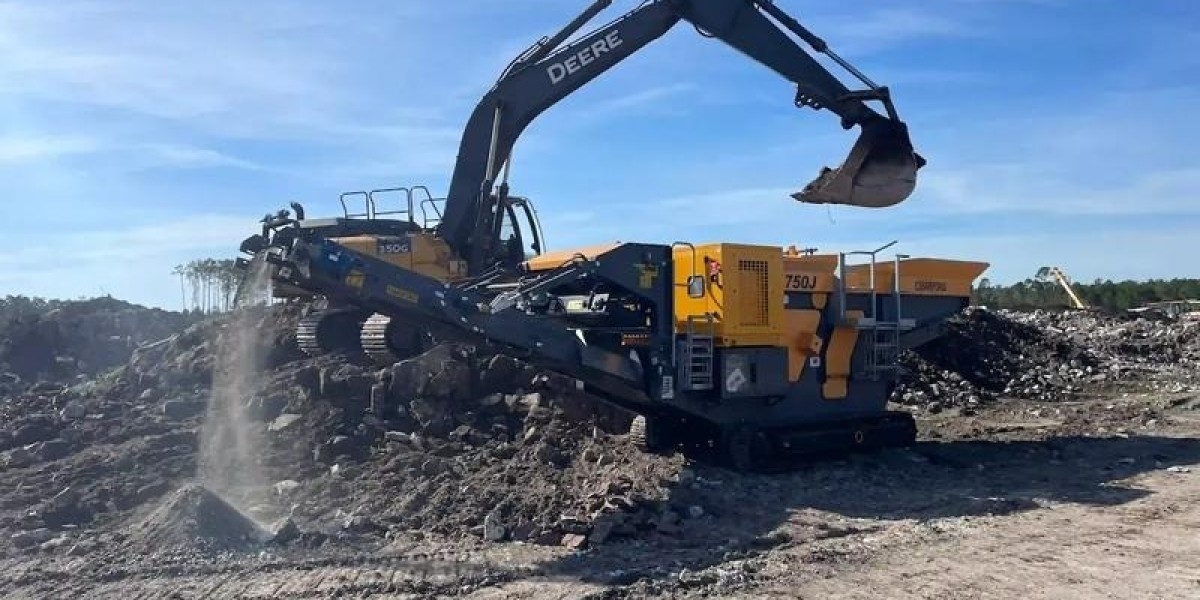
No two job sites are the same, so frequency of use speaks volumes in terms of what is smart with regards to your wallet. In case that excavator is to dig every day, month by month, year by year, then purchasing is a better alternative. The more you extend the run and the harder you run a machine the more value you draw out of it. But if the jobs are occasional, seasonal, or you're not quite sure what’s around the corner, leasing saves you from watching a $200K piece of iron collect dust during slow spells.
Maintenance, Repairs, and Wrench Time
When it is your machine, then all the bolts, seals, and filters are your problem. That’s just part of owning heavy machinery. Without a wrench or service crew on standby, a repair may take down your workflow. The equipment that is leased normally comes with a service contract or offers a fast swap-out in case of a breakdown. It’s the kind of assurance you need when your team is lean, your timeline is tight, and downtime isn’t an option. In the long term, ownership lets you build a maintenance rhythm, but in the short term, the surprises can hit hard.
Resale, Depreciation, and Equipment Value
Buying a machine isn’t just about using it but it’s about what you can get back when you're done. Apparatus is not valueless and a well maintained machine will command a decent resale price. But depreciation is a fact. Each hour on the meter devalues it, particularly within its first years. The leasing eliminates that concern. After the term expires, it returns and another one suffers the consequences of the depreciated value. But there's no asset in your name, no equity to leverage if you need to raise funds or trade up.
Tax Benefits: Which One Helps Your Bottom Line?
Margins are what startups live or die by and taxes are not small changes. Leasing allows you to write off payments as business expenses- you take it off on the profit line. By purchasing, you will be able to depreciate the tax benefit. Depending on your location, you may qualify to get incentive programs on ownership or fast write-offs on new equipment. This is something that can be ironed out by a good accountant, but it can hurt your cash flow and your tax liability and you cannot afford to ignore it.
What’s Your Risk Tolerance in a Changing Market?
The market changes rapidly. The price of steel, interest rates, the fashions at the jobsite and even government policies can turn the tide in a flash. Leasing provides you with flexibility. When the work dries up or new machines become available in the market you are not stuck with old equipment. A purchase is a wager on stability, you are in the long term and that can be profitable when the work is stable. However, when the winds change and you are having a sit-down on equipment that nobody wants to buy or rent then that risk is yours to bear.
The Verdict: Think About Control, Cash, and Commitment
It does not have a one-size-fit-all solution. It is a feel decision supported by statistics. If you're tight on cash, need short-term flexibility, or want the option to upgrade fast, leasing is your lane. But when you are sure of your pipeline, you are prepared to deal with maintenance and you are prepared to accumulate long-term equity into your fleet then purchasing can base your business. It comes down to telling the truth about where you are and where you are going, not only this month, but in two years. The correct machine will not only transport dirt, but also will advance your entire operation.