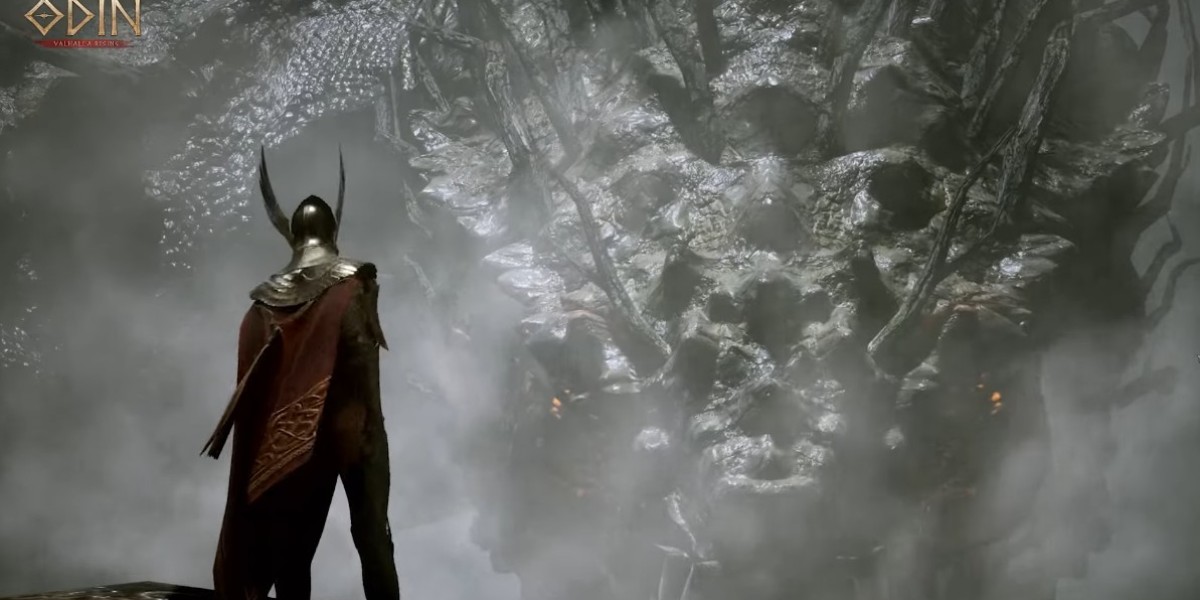

Odin: Valhalla Rising, the action-strategy MMORPG inspired by Norse mythology, has rapidly captured the attention of gamers worldwide. Beyond its epic battles, intricate world-building, and mythic lore, one of the game’s most compelling aspects is its economy. Understanding the economic systems in Odin Diamonds is crucial for any player who wants to maximize their in-game wealth, acquire rare items, and achieve strategic dominance. In this article, we’ll explore the ins and outs of the game's economy, detailing how resources are generated, managed, and traded, while providing insights on strategies to thrive financially in the world of Valhalla.
- The Backbone of the Game: Currency Systems
The economy of Odin: Valhalla Rising revolves around several in-game currencies, each serving a specific purpose and influencing different aspects of gameplay.
Gold
Gold is the primary currency and the foundation of the game’s economic system. Players earn gold through a variety of activities:
Completing quests
Defeating monsters in dungeons or the open world
Selling resources or crafted items to NPC vendors
Gold is versatile and can be used to upgrade equipment, purchase consumables, and invest in city development within player-controlled territories. Efficient gold management is essential, as it often dictates a player’s ability to progress at a competitive pace.
Silver and Trade Tokens
Silver and trade tokens are secondary currencies in Odin: Valhalla Rising, often linked to trade and PvP activities. While silver can be used for minor upgrades and low-tier purchases, trade tokens are a unique resource obtained from participating in player-driven markets or completing specialized missions. Trade tokens often allow players to access exclusive items or services unavailable through standard gold purchases, giving an edge to those who actively participate in the trading economy.
Premium Currency
As with many modern MMORPGs, Odin: Valhalla Rising features a premium currency, which players typically acquire through real-world transactions. This currency is primarily used for cosmetic items, accelerated building times, and limited-time bundles. While premium currency provides convenience and aesthetic customization, the game balances its availability to prevent pay-to-win advantages from disrupting the core economy.
- Resource Management: The Heart of Economic Strategy
In addition to currency, the game’s economy relies heavily on resource acquisition and management. Players must collect and utilize a variety of resources, including:
Timber, Iron, and Stone: Essential for construction and upgrading structures in your territory.
Food: Supports troop training, expeditions, and sustains population growth.
Magic Crystals and Rare Materials: Required for crafting high-tier equipment and enchanting items.
Strategic management of these resources determines the pace of player progression. For instance, focusing on high-efficiency farming and mining operations can provide a steady flow of raw materials, enabling players to craft superior equipment and gain a military advantage.
- Crafting and Production: Turning Resources into Wealth
Crafting is a central pillar of the economic system in Odin: Valhalla Rising. Players can convert raw materials into valuable items, which can then be used, sold, or traded. The crafting system covers multiple categories:
Weaponry and Armor: Crafting and upgrading weapons and armor not only boosts combat efficiency but also allows players to sell high-demand items on the market.
Potions and Consumables: Essential for survival in difficult raids and PvP encounters. Producing consumables at scale can become a significant income stream.
Structures and Fortifications: Players can invest in building and upgrading structures within their domains, which not only strengthens their territory but also generates resources over time.
Mastering crafting requires balancing resource expenditure with potential returns. Players who specialize in high-demand items can dominate the market and accumulate significant wealth.
- Player-Driven Markets: Supply, Demand, and Strategy
One of the most dynamic aspects of Odin: Valhalla Rising’s economy is its player-driven market. Unlike static NPC shops, the market fluctuates based on supply and demand, mimicking real-world economics. Understanding market trends and player behavior can provide substantial economic advantages.
Trading Tactics
Savvy traders employ multiple strategies to maximize profits:
Speculation: Buying resources at low prices during periods of oversupply and selling when demand surges.
Crafting Arbitrage: Crafting rare or in-demand items from inexpensive raw materials and selling them at a premium.
Faction Alliances: Collaborating with other players or factions to control resource supply and stabilize prices.
Market intelligence becomes essential for any player who wants to thrive economically. Monitoring price trends and anticipating demand spikes—especially around major in-game events—can yield tremendous profit.
- Faction Influence on Economy
In Odin: Valhalla Rising, factions are not just social groups—they wield significant economic influence. Faction control of territories impacts resource availability, trade routes, and taxation.
Territorial Control: Players aligned with dominant factions may gain access to exclusive resources or trading opportunities.
Taxation Systems: Some territories implement resource taxes or tariffs, affecting player profits.
Faction Wars: Engaging in conflicts can disrupt supply lines and manipulate market conditions, providing opportunities for clever economic maneuvers.
Participating actively in faction activities not only strengthens political influence but can also directly affect a player’s economic prospects.
- Economic Events and Seasonal Influences
The developers of Odin: Valhalla Rising frequently introduce in-game events that temporarily reshape the economy. Seasonal events, resource boons, and rare boss drops can create surges in market activity. Players who anticipate these events and prepare accordingly often gain significant economic advantages.
Resource Boons: Limited-time boosts increase resource generation or rare item drop rates.
Event Markets: Special items introduced during events can become highly sought after, creating temporary but lucrative trading opportunities.
Competition for Rare Materials: Players may compete in event-exclusive activities to secure rare crafting materials, driving up prices in the market.
Being attuned to these cycles is key to maximizing wealth in the game.
- Tips for Thriving in Odin: Valhalla Rising’s Economy
For players seeking to dominate the economic landscape, here are some essential strategies:
Diversify Income Sources: Don’t rely solely on quest rewards. Mix crafting, trading, and resource gathering.
Monitor the Market Constantly: Prices fluctuate rapidly, especially for rare items. Stay alert.
Invest in Resource Infrastructure: Efficient production of materials ensures a steady supply for crafting or selling.
Leverage Faction Alliances: Political influence can translate into economic advantages.
Plan for Events: Seasonal and special events often provide the most profitable opportunities.
Economic foresight is as valuable as combat prowess in Odin: Valhalla Rising. Players who combine both stand to dominate the game world.
- Challenges and Balancing the Economy
While the economy in Odin: Valhalla Rising offers rich opportunities, it also presents challenges:
Inflation: Excessive currency generation can lead to rising prices and reduced purchasing power.
Resource Scarcity: Overexploitation of materials in contested areas can create shortages.
Market Manipulation: Powerful players or factions might attempt to monopolize resources, destabilizing fair trade.
The developers actively monitor these dynamics, introducing adjustments to maintain balance. Players who stay adaptable and informed are best positioned to weather these economic shifts.
- The Future of the Economy
As Odin: Valhalla Rising evolves, the economy is likely to become even more complex. Upcoming expansions and updates may introduce:
New currencies and trading mechanics
Enhanced player-to-player commerce
Advanced crafting systems with higher-tier items
More intricate faction-driven economic effects
Players who understand the current systems and plan for the future will enjoy long-term advantages in both wealth and influence.
Conclusion
The economy of Odin: Valhalla Rising is a deeply layered and dynamic system that rewards strategy, foresight, and active participation. From managing resources to crafting high-demand items, from mastering trade markets to leveraging faction power, economic acumen can be just as critical as combat skill buy Odin Valhalla Rising Diamonds. Players who understand the nuances of currency, resource management, and market behavior will not only thrive financially but also gain a strategic edge in the game’s competitive landscape.
In Valhalla, the path to glory is not just forged in battle—it’s also built on gold, timber, and trade. Whether you are a casual adventurer or a hardcore strategist, mastering the economic systems in Odin: Valhalla Rising is essential to claiming your place among the legends.