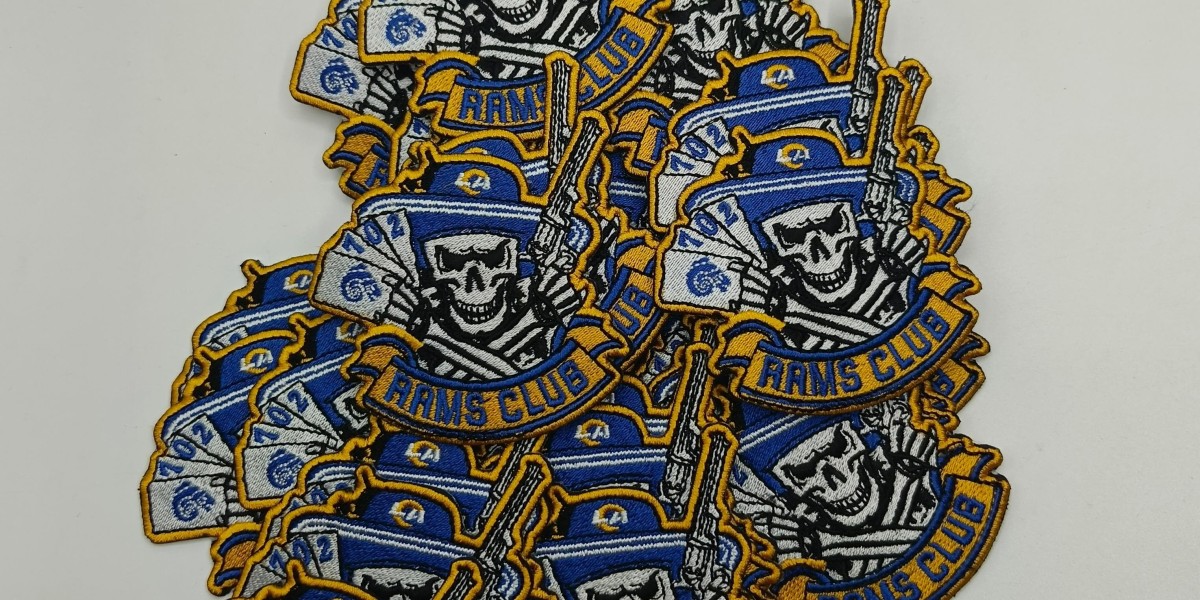

Let’s talk about rain. Not the gentle kind, the angry, sideways December kind that claws at your windows like it’s got something to prove. That’s the kind that was hammering Maria’s garage in Cleveland last winter. I’ve seen the place, tiny, smells faintly of burnt thread and espresso gone cold, walls plastered with rejected patch samples she couldn’t bear to throw out. At 2:17 a.m., her embroidery machine coughed out its 347th patch, and her hands, calloused, trembling, fumbled with a spool of cobalt-blue thread she’d custom-dyed herself because “off-the-shelf just felt dead.” Titan Stitch (you know them, the ones with the Instagram ads and the 50-person sales floor in Atlanta?) had just slid a final offer across her inbox like it was a goddamn ultimatum: Sell out or get steamrolled.
She didn’t sleep. Didn’t cry. Just stitched. And stitched.
Three days later? That client, some indie denim brand barely scraping by themselves, didn’t just re-up. They sent her a photo of their founder wearing a jacket plastered with her custom embroidered patches, standing in front of a pop-up shop in Brooklyn, caption: “These didn’t just stick. They spoke.”
Funny, right? How the smallest needle can leave the loudest mark.
We keep telling ourselves wholesale custom iron-on patches is a game of scale. Of volume. Of who can churn out 10,000 identical patches fastest. But that’s the lie giants tell to keep the rest of us docile. The truth? The real edge lives in the cracks, in the late-night experiments, the rejected color palettes, the weird little requests no big vendor would touch ("Can it glow under blacklight and survive a motorcycle crash?").
Being the underdog isn’t some cute underdog trope from a Disney movie. It’s messy. It’s unpaid invoices and existential dread before breakfast. But, and this is the part nobody admits, it’s also liberating. You’re already written off. So why not try the thing that "doesn’t make sense"?
Take risk. Not reckless gambling, strategic lunacy. Like that patch maker in Portland who started using recycled ocean plastic for backing (inspired by that viral Ocean Cleanup project, remember?). Most wholesalers laughed. Said it was too expensive, too niche. But eco-brands? They sprinted to her. Because she wasn’t selling a patch, she was selling a rebellion stitched in thread.
And the work ethic, god, the work ethic. It’s not just “hustle culture” nonsense. It’s forged in something deeper. When you’ve maxed out two credit cards and your partner’s side-eyeing your “hobby,” you develop a kind of tunnel vision. You notice things. Like how a biker won’t wear a patch unless the edges are just rough enough. Or how a yoga studio owner wants her logo subtly embedded with lotus petals only visible under certain light. Giants miss this. They’re too busy optimizing CRM pipelines. You? You’re having coffee with clients, listening to their half-formed dreams between sips. That’s not sales. That’s alchemy.
(And honestly, can we talk about how exhausting it is to care this much? Sometimes I wonder if I’m building a business or just a very elaborate form of self-punishment.)
But here’s the twist: your outsider status? That’s your secret telescope. While the big players are staring down the same spreadsheet, you’re noticing the weird gaps. Like, why do most iron-ons still use PVC backings in 2025? After the EU’s new microplastic regulations dropped? It’s baffling. But you? You can pivot in a weekend. Test water-based adhesives. Source organic cotton twill from that co-op in North Carolina. Make mistakes. Learn fast. Giants can’t move without board meetings and risk assessments. You’ve got a sewing machine, a dream, and zero f*cks left to give.
And your story, oh, your story. Don’t polish it. Don’t corporate-speak it into oblivion. People don’t connect with perfection. They connect with real. Show them your burnt first batch. Tell them about the client who ghosted you after you stayed up all night perfecting their eagle design. Then, flip it, tell them how that pain made you build a better QA process. Your vulnerability becomes your brand. Your scars, your signature.
Yeah, yeah, I know what you’re thinking. “But what about pricing? What about competing with $0.39 patches?” Fair. But you’re not competing on price. You’re competing on meaning. On trust. On the fact that when someone orders from you, they’re not a ticket number, they’re part of your tribe. And tribes pay premiums. Gladly.
(Though, full disclosure, sometimes I price too low out of sheer panic. Old habits die hard.)
So where does that leave you? Sitting in your own version of that rain-lashed garage, probably. Heart pounding. Mind racing. Wondering if this patch thing is ever going to work.
Here’s your permission slip: Stop trying to be the giant.
Start leveraging your smallness like a scalpel.
Say yes to the weird request.
Mix that custom thread, even if it costs more.
Call that anxious client at 8 p.m. just to check in.
Tell your story like it’s a campfire confession, not a LinkedIn post.
The market’s changing, fast. Sustainability isn’t a buzzword anymore; it’s baseline. Personalization isn’t “nice to have”; it’s expected. And authenticity? That’s the only currency that matters.
You’ve got the underdog advantage. Not because you’re scrappy, but because you’re human. And humans, flawed and frantic and fiercely determined, are the ones who actually move the needle.
So go ahead. Stitch something that matters.
Let it be imperfect.
Let it be loud.
Let it be yours.
The giants are watching.
And for the first time, they’re nervous.