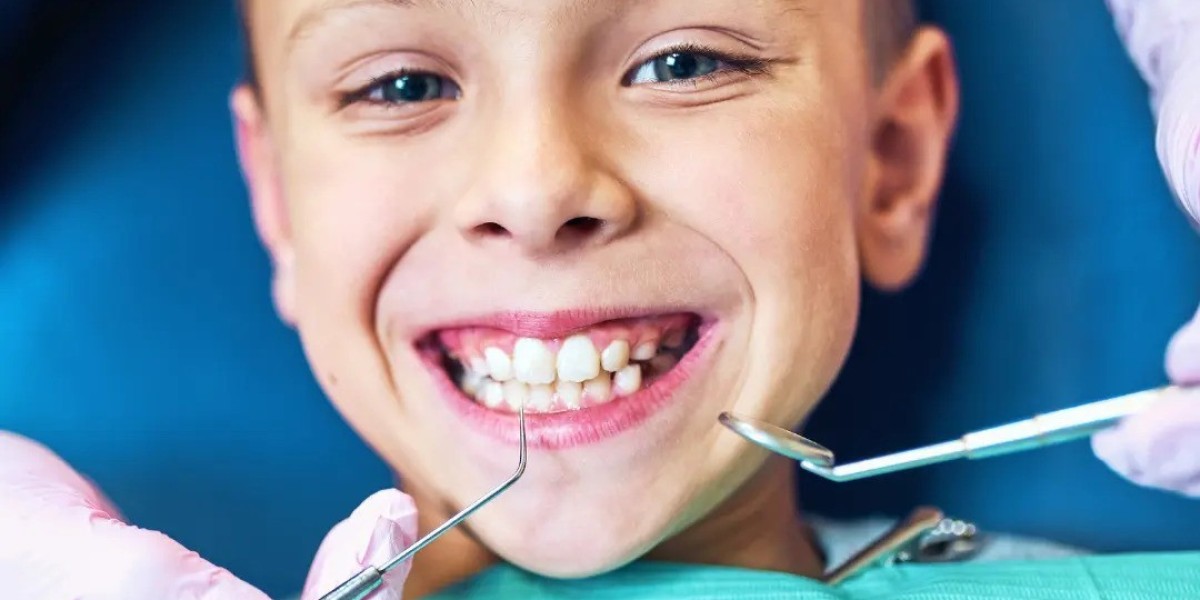

Pediatric tooth extraction in Islamabad ,Baby teeth are designed to loosen and fall out on their own, making space for permanent adult teeth. For most children, this process is smooth and naturally timed. However, some baby teeth do not shed even when the adult tooth is ready beneath the gums. This situation can cause crowding, misalignment, or delayed eruption — and therefore may require professional intervention such as pediatric tooth extraction.
Understanding why this happens helps parents make informed decisions about their child’s oral health. In this blog, we will explore the science behind late-retained baby teeth, warning signs to watch for, and treatment options that ensure a healthier future smile.
How Baby Teeth Are Supposed to Fall Out:
Baby teeth start loosening once permanent teeth begin to push upward from the jaw. The roots of primary teeth dissolve gradually, allowing them to wiggle free and fall out with minimal discomfort.
The natural shedding process includes:
Development of adult teeth beneath baby roots
Gradual resorption and shortening of baby tooth roots
Loosening of the tooth for easy removal
Space clearing for permanent alignment
Most children lose their first baby tooth between age 5–7 and complete the process by 12–13. Any major delay beyond this timeline can indicate underlying complications.
Why Some Baby Teeth Don’t Fall Out Naturally:
Several reasons can stop or slow down the shedding process. Some are genetic, while others relate to dental development patterns or structural changes.
1. Absence of Permanent Tooth (Missing Adult Tooth):
If there is no permanent tooth underneath, the baby tooth may never receive the signal to fall out. This is known as tooth agenesis and is fairly common.
2. Permanent Teeth Growing in the Wrong Direction:
If the adult tooth erupts beside the baby tooth instead of directly below it, resorption may not occur. This often leads to the classic shark teeth appearance.
3. Over-Retained Roots:
Sometimes the root of the baby tooth does not dissolve properly, keeping it anchored firmly in place long after it should have loosened.
4. Genetics & Family Dental Patterns:
Late shedding often runs in families. If a parent experienced delayed tooth loss, the child may also follow the same pattern.
5. Trauma or Infection in Early Childhood:
Injury to developing teeth can disrupt natural growth signals and tooth eruption timing.
Signs Your Child’s Baby Tooth Isn’t Falling Out Properly:
Parents should watch for symptoms that suggest retention or eruption problems:
Baby tooth is still firm with permanent tooth visible behind it
Persistent pain around a tooth that should have fallen out
Crowding or overlapping teeth
Delayed tooth loss beyond typical age range
Difficulty chewing or discomfort when biting
If any of these changes occur, it is important to visit a pediatric dentist for evaluation.
When Extraction Becomes Necessary:
Not every retained baby tooth needs removal. Some eventually loosen naturally once the adult tooth gains more eruption force. However, pediatric extraction may be advised when:
Baby tooth blocks the path of permanent tooth
Teeth begin to crowd, tilt, or overlap
Adult tooth is erupting behind baby tooth
The child faces speech or bite issues
No adult tooth exists and spacing must be preserved
A dentist evaluates X-rays, eruption angles, and space availability before recommending extraction.
Benefits of Extracting Retained Baby Teeth:
While extraction may sound uncomfortable, early intervention often prevents future orthodontic problems.
Advantages include:
Smooth eruption of permanent teeth
Reduced chances of overcrowding
Better jaw alignment and bite development
Prevention of future braces-related complications
Improved chewing and speech clarity
Early removal is not just treatment — it is preventive orthodontic care.
What to Expect During Pediatric Tooth Extraction:
Child-friendly clinics ensure that extractions are gentle and stress-free. Here’s how the process typically works:
Dental Examination & X-Ray Evaluation
to assess tooth roots and adult tooth position.Local Anesthesia for Comfort
to numb gums and ensure a painless experience.Careful Tooth Loosening & Removal
performed by a trained pediatric dentist.Post-Extraction Care Instructions
including soft food diet and hygiene guidance.
Healing generally takes 2–3 days, with minimal discomfort when proper care is followed.
Caring for the Space After Extraction:
Maintaining space is crucial for proper tooth alignment. In some cases, a space maintainer may be recommended to prevent other teeth from shifting into the gap.
Parents should:
Encourage gentle brushing around the extraction site
Offer soft foods (yogurt, mashed potatoes, soups)
Avoid straws and hard snacks temporarily
Follow dentist-advised follow-up visits
Healthy habits ensure a clean pathway for permanent teeth to grow naturally.
When to Consult a Pediatric Dentist:
If your child’s baby teeth aren’t wiggling, are misaligned, or causing discomfort, seeking professional guidance is the most reliable step. Early assessment prevents complications and supports a beautifully aligned adult smile.
Parents in need of expert care can explore clinics offering Pediatric tooth extraction in Islamabad, ensuring comfortable, specialized treatment for children with retained baby teeth.
For more information visit Dental Clinic Islamabad.