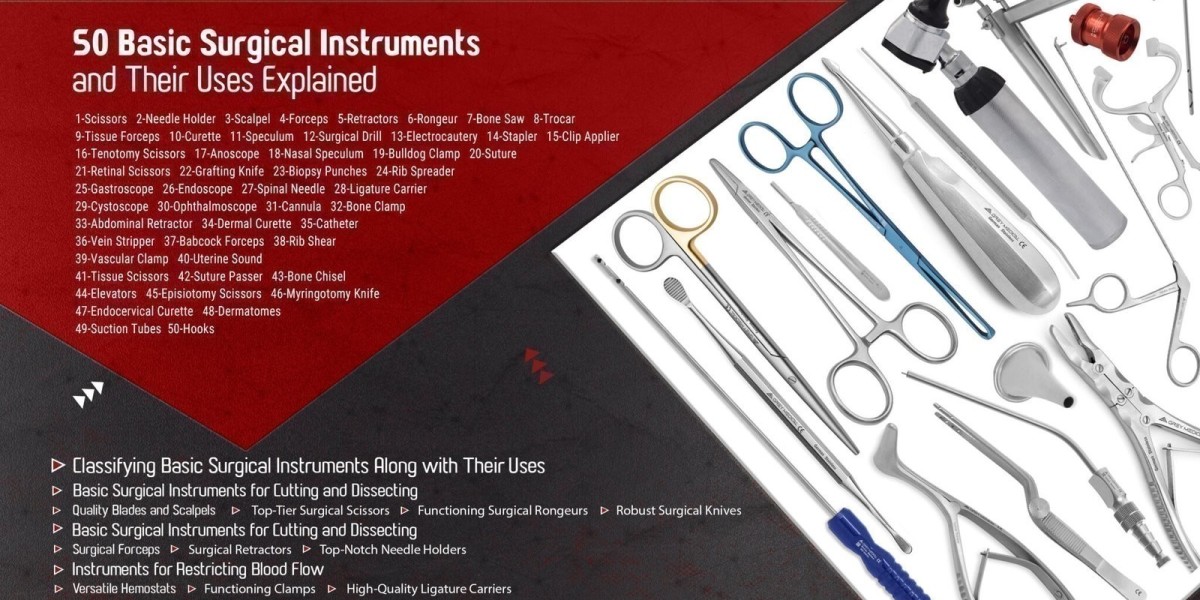

The success of any surgical procedure rests on the skill of the surgeon and the quality of the tools they use. From routine operations to complex, life-saving interventions, the reliability and precision of surgical equipment are paramount. These instruments are extensions of a surgeon's hands, allowing for delicate maneuvers that can mean the difference between a complicated recovery and a successful outcome. The evolution of this equipment reflects the broader advancements in medical science, showcasing a journey toward greater patient safety and improved surgical efficiency.
Innovation in Instrument Design
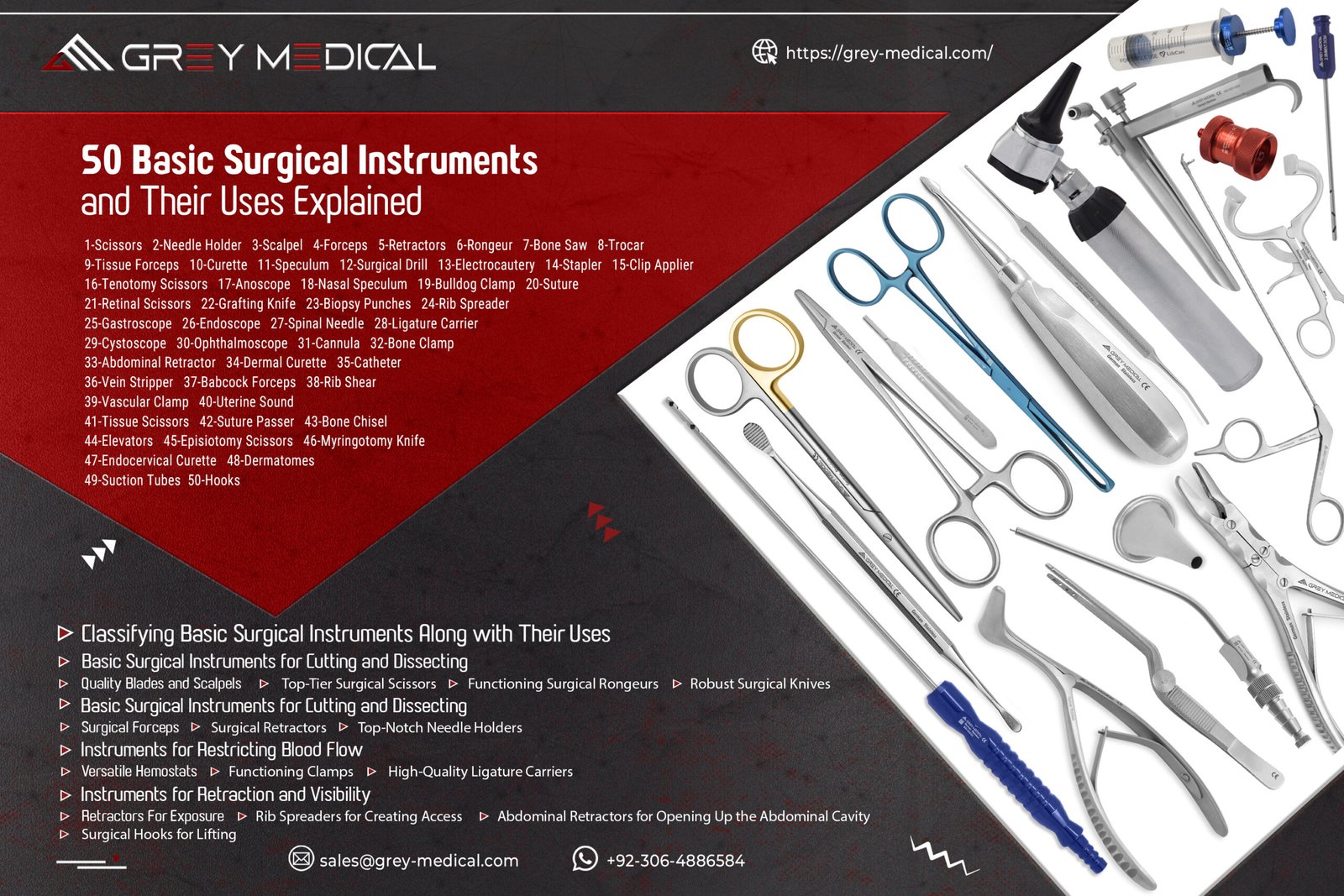
Modern surgical equipment is a marvel of engineering and material science. Manufacturers are constantly pushing the boundaries of what's possible, developing instruments that are more ergonomic, durable, and effective. Materials like high-grade stainless steel and titanium are chosen for their strength, resistance to corrosion, and ability to be sterilized effectively. The design process involves close collaboration with medical professionals to ensure each tool feels natural and provides the control needed for intricate tasks. This focus on user-centric design helps reduce surgeon fatigue and enhance procedural accuracy.
Companies like GreyMedical®, a privately owned medical technology company dedicated to innovation and excellence in the craft of surgical instruments, are at the forefront of this field. They understand that a surgeon's confidence in their tools is crucial. By investing in research and development, these innovators create specialized instruments that cater to the evolving needs of different surgical disciplines, from neurosurgery to orthopedics. This commitment to quality ensures that the surgical equipment used in operating rooms meets the highest standards of performance and safety.
The Impact on Patient Outcomes
The advancement in surgical equipment directly translates to better patient care. Minimally invasive procedures, for example, are made possible by highly specialized, slender instruments and advanced imaging technology. These techniques result in smaller incisions, less pain, reduced risk of infection, and faster recovery times for patients. Even in traditional open surgeries, the quality of the forceps, scalpels, and retractors used plays a significant role in minimizing tissue trauma and ensuring a clean, precise surgical field. Every instrument is designed with a specific purpose, contributing to the overall success of the operation.
Conclusion
Ultimately, the field of surgical equipment is a critical component of the healthcare ecosystem. The continuous pursuit of excellence in design, materials, and functionality empowers surgeons to perform at their best. As technology continues to advance, we can expect to see even more sophisticated instruments that will further revolutionize medical procedures and elevate the standard of patient care across the globe. The partnership between skilled surgeons and the innovators who craft their tools remains fundamental to the future of medicine.