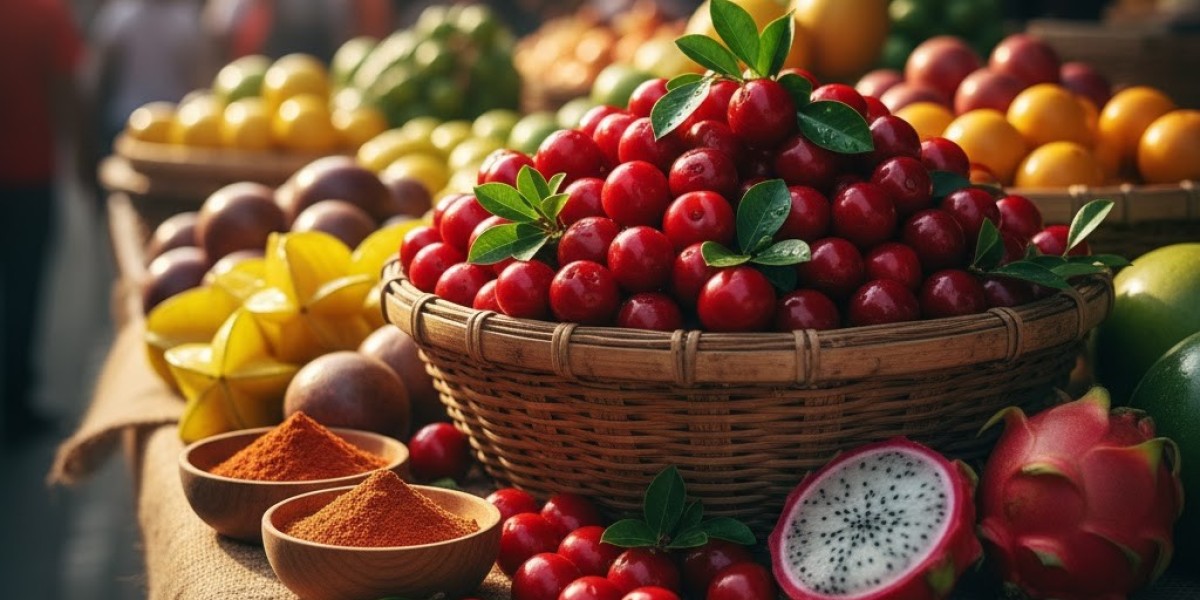

Acerola Extract Market players are recognizing sustainability certifications as critical differentiators in the competitive global nutraceutical landscape. As consumers become more environmentally conscious, certifications such as organic, fair-trade, and non-GMO signal responsible sourcing, eco-friendly practices, and product authenticity. Acerola extract, known for its high vitamin C content and antioxidant properties, benefits from these certifications, enhancing market appeal and allowing manufacturers to command premium pricing while meeting ethical and environmental expectations.
Sustainability certifications provide multiple advantages for manufacturers. Firstly, they establish credibility with consumers seeking natural, responsibly sourced ingredients. In a crowded marketplace, certified acerola extract products stand out for adhering to stringent production and sourcing standards. Secondly, these certifications facilitate compliance with international regulatory frameworks, easing access to multiple global markets. Companies with certified products can demonstrate commitment to quality, ethical sourcing, and environmental stewardship, fostering trust with both consumers and retailers.
Consumer demand for verified sustainable products is shaping production and supply chain practices. Producers of acerola extract are increasingly implementing eco-friendly farming practices, reducing chemical inputs, and ensuring fair labor conditions. From cultivation to processing, sustainable practices contribute to soil health, biodiversity, and long-term raw material availability. These measures align with certifications, allowing brands to communicate their sustainability story effectively to consumers, building loyalty and preference.
The functional food and supplement industries are particularly impacted by sustainability trends. Consumers increasingly seek products that combine health benefits with environmental responsibility. Acerola extract, with its natural vitamin C and antioxidant content, is well-positioned to meet these expectations. Manufacturers integrating certified acerola extract into beverages, powders, capsules, and gummies can appeal to health-conscious buyers while emphasizing ethical and ecological practices.
Regional variations also influence the importance of sustainability certifications. North American and European markets show strong consumer awareness and preference for certified products, often influencing purchasing decisions. In Asia-Pacific and Latin America, awareness is growing rapidly, driven by urbanization, education, and digital access. Brands targeting these regions must prioritize certification and clear communication of sustainability efforts to remain competitive.
Technological and process innovations support sustainability objectives. Advanced extraction methods, such as freeze-drying and microencapsulation, allow efficient nutrient retention while minimizing waste and energy consumption. Additionally, supply chain traceability ensures that all stages of production comply with certification requirements. These innovations not only improve product quality but also reinforce credibility with certification bodies and end-users.
Marketing strategies increasingly emphasize sustainability credentials. Packaging, labeling, and digital platforms highlight certifications and responsible sourcing practices. Educating consumers about the environmental and ethical benefits of certified acerola extract enhances brand perception and fosters trust. By integrating sustainability into brand identity, companies strengthen market positioning and differentiate themselves from competitors offering non-certified alternatives.
Sustainability certifications also drive collaborations within the industry. Companies may partner with certified suppliers, NGOs, or regulatory bodies to ensure compliance, improve supply chain practices, and enhance transparency. Such partnerships contribute to credibility, streamline production, and support broader adoption of sustainable acerola extract applications. They also demonstrate a commitment to industry-wide sustainability, appealing to conscientious consumers and investors alike.
The future outlook for sustainability certifications in the Acerola Extract Market is promising. Increasing consumer awareness, regulatory pressures, and global trends toward environmental responsibility are expected to reinforce the importance of verified sourcing. Certified acerola extract products will likely experience higher demand, stronger brand loyalty, and enhanced market access, motivating manufacturers to integrate sustainable practices across all operations.
In conclusion, sustainability certifications have become essential differentiators in the Acerola Extract Market, enhancing credibility, consumer trust, and competitive positioning. By adopting certified sourcing, eco-friendly production, and transparent supply chain practices, manufacturers can meet evolving consumer expectations while promoting responsible industry growth. Acerola extract fortified with sustainability credentials represents a strategic advantage in the expanding global nutraceutical landscape.