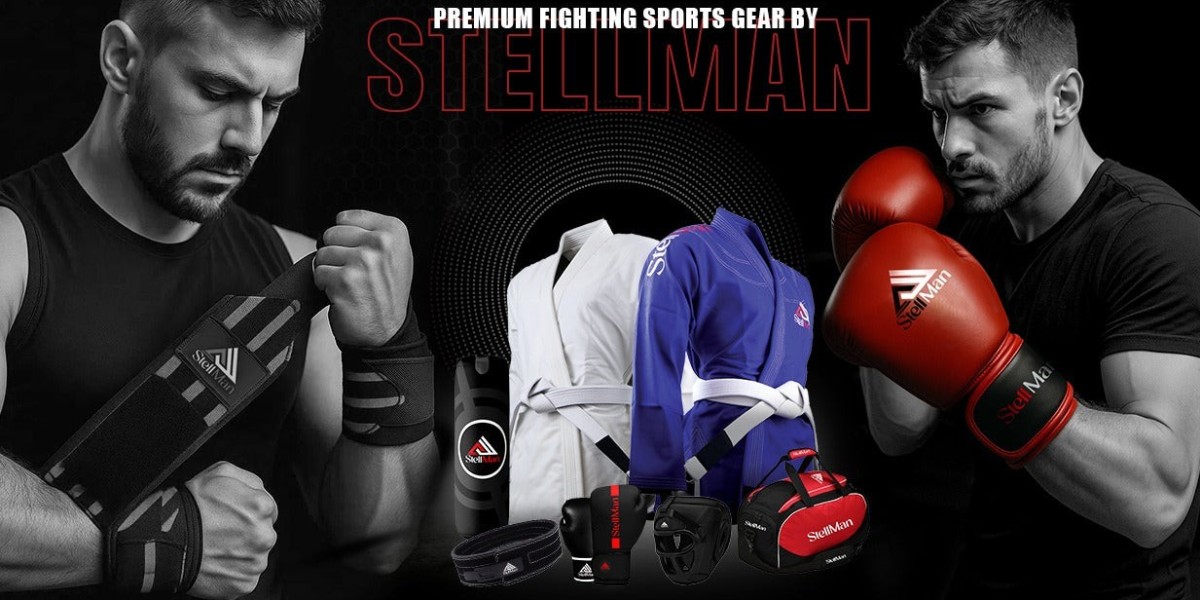

Whether you’re a beginner stepping into the boxing gym for the first time or an experienced fighter refining your technique, selecting the right boxing equipment and fighting sports gear is crucial for success. The right gear not only ensures your safety but also boosts your performance and enhances the quality of your training.
In this article, we’ll guide you through the process of selecting the best boxing equipment and fighting sports gear tailored to your specific training needs.
1. Understand Your Training Goals:
The first step in selecting the best boxing equipment and fighting sports gear is understanding your specific training goals. Are you focusing on conditioning, building strength, working on technique, or preparing for a competition? Your objectives will influence the types of gear you need.
Conditioning and Stamina Training: If you're primarily training to build endurance, you'll need equipment like heavy bags, jump ropes, and speed bags. These tools help you improve cardiovascular fitness, stamina, and muscle endurance.
Technique and Skill Development: To refine your boxing skills—such as footwork, timing, and precision—you may need focus mitts, punch trackers, and reflex balls. These pieces of equipment are designed to improve specific technical aspects of your performance.
Sparring and Competitive Training: If you’re training for actual sparring or competition, you'll need protective gear such as headgear, mouthguards, boxing gloves, and shin guards. This gear will keep you safe while allowing you to train at a higher intensity.
By identifying your training focus, you’ll know exactly which gear will help you achieve your goals.
2. Boxing Gloves: The Foundation of Your Gear
Boxing gloves are the most essential piece of equipment for any boxer, whether you're just starting or competing at an elite level. When selecting boxing gloves, there are several factors to consider:
Training Gloves: These are all-purpose gloves used for bag work, sparring, and mitt work. They generally offer more padding to protect your hands and wrists.
Sparring Gloves: These gloves have extra padding to protect both you and your sparring partner. They are designed for more safety during controlled sparring sessions.
Bag Gloves: These gloves are designed for hitting heavy bags and focus pads. They typically offer a slightly more compact design to provide better control and feel when striking the bag.
Size and Weight: Boxing gloves come in various sizes and weights, usually measured in ounces (oz). The most common weights range from 8 oz to 16 oz.
Fit and Comfort: Gloves should fit snugly around your hands and wrists. Ill-fitting gloves can cause discomfort, reduce your punching power, and lead to hand injuries. Look for gloves with adjustable straps or a Velcro closure for a secure fit.
Tip: Always try on gloves before purchasing to ensure they fit well and feel comfortable.
3. Hand Wraps: Essential for Wrist and Knuckle Protection
Hand wraps are a must-have accessory that provide extra support for your wrists, knuckles, and hands. While boxing gloves offer some protection, hand wraps add an extra layer of security and stability, helping prevent injuries like sprains or fractures.
Material: Hand wraps are typically made from cotton, elastic, or a blend of both. Cotton wraps are durable and provide good support, while elastic wraps offer a bit more stretch for a snug fit.
Length: Hand wraps come in various lengths, usually between 120 to 180 inches. A longer wrap provides more coverage and support, especially if you have larger hands or prefer extra protection.
Tip: Learn how to properly wrap your hands before using them. Incorrect wrapping can reduce their effectiveness and compromise your wrist support.
4. Protective Gear: Preventing Injury During Sparring and Competition
If you plan on sparring or competing, protective gear is essential. These items are designed to minimize the risk of serious injuries while allowing you to train at full intensity.
Headgear: A good quality headgear protects your head from cuts, bruises, and more serious injuries like concussions. Look for headgear that offers full coverage of the forehead, cheeks, and chin while remaining lightweight and breathable. Choose a comfortable, adjustable headgear with padding that can absorb impact.
Mouthguard: A mouthguard protects your teeth, gums, and jaw from injury. It also helps prevent concussions by absorbing some of the shock from hits to the head. Custom-fitted mouthguards offer the best protection, but boil-and-bite options are a good, affordable alternative.
Shin Guards: If you’re training in kickboxing or MMA, shin guards are crucial for protecting your lower legs during sparring or striking drills. Look for lightweight, durable shin guards with ample padding that provide protection without restricting movement.
Groin Protector: A cup or groin protector is essential for safeguarding sensitive areas from accidental strikes. A well-fitted, high-quality cup provides necessary protection while ensuring comfort during intense sparring sessions.
5. Footwear: Providing Support and Stability
Footwork is crucial in boxing, and your footwear plays a large role in maintaining balance, speed, and stability. Boxing shoes are designed to provide the right combination of grip, ankle support, and flexibility.
Grip and Traction: The soles of boxing shoes should have a non-slip design to ensure you don’t lose traction on the canvas or floor. This is especially important during quick lateral movements or pivots.
Ankle Support: Boxing shoes typically feature high-top designs that provide additional ankle support, reducing the risk of sprains or twists during fast, explosive movements.
Lightweight and Flexible: The best boxing shoes are lightweight to enhance speed and agility, while still providing enough structure to support the feet during heavy movements and pivots.
Tip: Choose boxing shoes that fit snugly around the feet and ankles but allow flexibility in the toe area for optimal movement.
6. Training Equipment: Elevating Your Skills
In addition to personal protective gear, various training tools can help improve specific aspects of your boxing performance. Consider adding these to your gear list:
Heavy Bags: Heavy bags are perfect for building power, endurance, and punching technique. Look for a sturdy, durable bag that can withstand repeated strikes without losing its shape.
Speed Bags: Speed bags are ideal for improving hand-eye coordination, reflexes, and timing. They help develop rhythm and speed, which are crucial for boxing.
Focus Mitts: Focus mitts allow you to practice punch combinations and improve accuracy. They provide a moving target, helping you fine-tune your precision while working with a partner.
Jump Rope: A jump rope is an inexpensive yet effective tool for improving your cardiovascular fitness, footwork, and coordination. It's a great addition to your training regimen for building stamina and agility.
7. Budget Considerations: Balancing Quality and Affordability
While high-quality gear is essential, it’s important to find boxing equipment that fits within your budget. Fortunately, there are many reputable brands that offer high-performance gear at various price points. Prioritize your purchases based on the most essential equipment for your training.
Start with the basics: boxing gloves, hand wraps, and a mouthguard.
Consider adding protective gear and shoes as your training becomes more intense.
For specialized training, invest in equipment like heavy bags or speed bags.
Remember, investing in quality gear now can save you money in the long run by reducing the need for frequent replacements and minimizing the risk of injury.
Conclusion:
Selecting the best boxing equipment and fighting sports gear is a crucial step toward ensuring a successful and injury-free training experience. By understanding your training goals and prioritizing the right gear—such as boxing gloves, hand wraps, protective gear, and proper footwear—you can optimize your training, boost your performance, and stay safe in the ring. Ultimately, the right equipment will support your development as a fighter, giving you the confidence and protection you need to succeed.